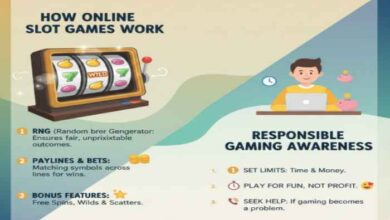
Introduction:
Slot Algorithms Are Designed This article is written for educational and informational purposes only. It explains how online slot algorithms work from a technical and regulatory perspective. It does not promote gambling, encourage betting, or recommend any platforms. Understanding these systems can help people make informed decisions and recognize the risks involved in gambling-related activities.
Table of Contents
What Is an Online Slot Algorithm?
An online slot algorithm is a computer-based system that controls how digital slot games function. These algorithms determine outcomes, timing, and randomness. They are designed to follow mathematical rules rather than human decisions.
At the core of most online slot algorithms is a system called a Random Number Generator (RNG).
How Random Number Generators (RNGs) Work
What Is an RNG?
A Random Number Generator is a software program that continuously produces random numbers. Each number corresponds to a possible result in a slot game.
Key Characteristics of RNGs
- Results are random and independent
- Previous outcomes do not affect future results
- Numbers are generated even when no one is playing
- No timing or pattern can predict outcomes
This means each spin is a separate event, not influenced by wins or losses before it.
Understanding Slot Mechanics and Design
Symbol Mapping
Each random number generated by the RNG is mapped to symbols on virtual reels. The final combination shown on the screen depends on this mapping.
Paytables
Algorithms include predefined paytables that explain how symbol combinations are evaluated. These are fixed rules set during game development.
Return to Player (RTP)
RTP is a theoretical percentage that shows how much value may be returned over a very large number of spins.
- RTP is not a guarantee
- Short-term outcomes can vary widely
- Individual results may differ greatly from averages
Are Online Slot Algorithms Fair?
Testing and Certification
In regulated markets, slot algorithms are often tested by independent auditors to ensure:
- Proper randomness
- No manipulation
- Compliance with technical standards
Limitations of Fairness
Even when algorithms are tested:
- Outcomes still involve financial risk
- Random systems can result in frequent losses
- Fairness does not equal profitability for players
Risks and Disadvantages of Slot Algorithms
Financial Risk
Slot algorithms are designed with a built-in house advantage, meaning long-term losses are statistically expected.
Psychological Impact
Random reward systems can:
- Create false expectations
- Encourage repeated play
- Increase risk of compulsive behavior
Misunderstanding Probability
Many people incorrectly believe:
- Machines can be “due” for a win
- Patterns exist in random outcomes
These beliefs are mathematically incorrect.
Legal Considerations in Different Regions
Varying Laws Worldwide
Online gambling laws differ by country:
- Some regions allow regulated online slots
- Others restrict or ban them entirely
- Legal responsibility usually falls on the user
Age Restrictions
Most regulated jurisdictions require:
- 18 years or older
- Identity verification
- Consumer protection measures
Always check local laws before accessing gambling-related content or services.
Also Chack: Legal Status of Online Gambling in Different Countries Educational Guide
Responsible Gambling Awareness
Important Reminders
- Online slots are not a source of income
- No algorithm guarantees wins
- Losses can happen quickly
Responsible Practices
- Set strict time and money limits
- Avoid gambling when stressed or emotional
- Seek help if gambling affects daily life
If gambling feels difficult to control, professional support services are available in many countries.
Common Myths About Slot Algorithms
Myth 1: Algorithms Can Be Beaten
Fact: Properly designed RNG systems cannot be predicted or controlled.
Myth 2: Wins Are Guaranteed Over Time
Fact: RTP is theoretical and does not apply to short-term play.
Myth 3: Timing Affects Results
Fact: Each spin is independent and random.
Conclusion
Online slot algorithms are complex systems built on mathematics, randomness, and predefined rules. While they may be tested for fairness in regulated environments, they still involve significant financial and psychological risks. Understanding how these systems work helps promote informed awareness, legal compliance, and responsible decision-making. This knowledge is meant for education—not participation encouragement.
Related FAQs: Slot Algorithms Are Designed
1. Are online slot algorithms truly random?
Yes, regulated games use Random Number Generators designed to produce independent outcomes.
2. Can players influence slot results?
No, players cannot control or predict algorithm outcomes.
3. What does RTP really mean?
RTP is a long-term statistical estimate, not a promise of returns.
4. Are online slots legal everywhere?
No, laws vary widely by country and region.
5. Why is responsible gambling education important?
Because understanding risks helps prevent financial harm and unhealthy behavior.