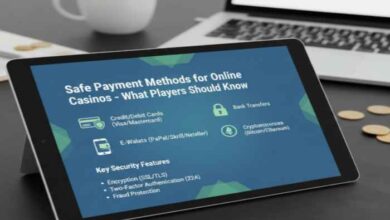
Introduction:
This article is designed solely for education and awareness. Its purpose is to explain how responsible gambling works, why setting limits is important, and what steps individuals can take to protect themselves online. It does not promote gambling or encourage anyone to participate in betting activities. Instead, it highlights risks, rules, legal aspects, and safe-use practices for adults who may come across gambling environments.
Table of Contents
What Is Responsible Gambling?
Responsible gambling refers to a set of guidelines and tools that help adults (18+ or the legal age in your region) make informed decisions and stay in control when interacting with gambling platforms. The concept focuses on:
- Awareness of risks
- Understanding personal limits
- Recognizing unhealthy behavior early
- Using available protective tools
Responsible gambling is supported by regulators, consumer protection groups, and licensed operators to ensure safer online environments.
How Setting Limits Works Online
Setting limits is one of the core methods used to maintain control and reduce risks. These tools are optional safety features that adults can activate.
Also Chack: Why You Should Never Share Personal Information on Unverified Betting Sites
1. Deposit Limits
Users can set daily, weekly, or monthly caps on how much they add to their accounts. Once the limit is reached, no additional deposits can be made until the next period resets.
2. Time Limits
Some platforms allow players to choose how long they want to stay logged in. Once the session ends, automatic logouts help reduce extended or impulsive use.
3. Loss Limits
This restricts how much money a user can lose within a given timeframe. After hitting the limit, the system blocks further spending.
4. Wagering Limits
A limit on the total amount a person can place in bets within a certain period. This helps prevent sudden increases in activity.
5. Self-Assessment Tests
Responsible gambling tools often include questionnaires that help individuals identify early signs of harmful behavior.
6. Reality Checks
Pop-up reminders that show how long the user has been active and how much has been spent, helping keep track of time and behavior.
Risks and Warnings to Be Aware Of
Engaging with gambling-related environments—whether online or offline—comes with significant risks, including:
1. Financial Loss
There is always the possibility of losing money. No system or strategy can guarantee any outcome.
2. Emotional Stress
Uncontrolled gambling can affect mental well-being, causing anxiety, guilt, and frustration.
3. Addiction Risk
Some individuals may develop unhealthy patterns or dependency.
4. Security Issues
Unlicensed or fraudulent websites can steal data or funds.
5. Underage Exposure
Only adults who meet the legal age (18+ or jurisdiction-specific age) should have access to gambling platforms.
Remember:
If gambling stops being fun or starts affecting your life negatively, it is important to seek support from licensed support organizations or helplines in your country.
Legal Considerations in Different Regions
Gambling laws differ around the world, and it is essential to know the rules in your region. Below is a general overview:
1. Europe
Many European countries have regulated online gambling markets. Consumers are protected under strict licensing requirements, including responsible gambling policies and verification procedures.
2. United States
Laws vary by state. Some states allow online gambling through licensed operators, while others restrict or ban it entirely.
3. Asia
Certain countries fully prohibit gambling, while others operate under government-controlled or highly regulated systems.
4. Middle East
Many regions have strict prohibition based on legal or cultural reasons.
5. Africa
Online gambling laws differ across the continent, with some countries offering regulated systems and others lacking formal legislation.
Always check local laws before accessing any gambling-related service.
Responsible Gambling Advice (18+ Only)
Here are practical, non-promotional guidelines for safe and responsible behavior:
- Only adults 18+ or legal age should engage with gambling environments.
- Set personal limits and respect them.
- Never use money that is needed for essentials.
- Avoid chasing losses.
- Take frequent breaks and monitor your time.
- Keep gambling separate from emotional decision-making.
- Use self-exclusion tools if needed.
- Seek professional help if gambling becomes difficult to control.
Conclusion
Responsible gambling is not about encouraging people to participate in gambling—it’s about education, awareness, and protection. Understanding how limits work, being aware of risks, and knowing the legal landscape can help individuals make safer decisions. The goal is to empower adults with the knowledge needed to stay in control and protect their well-being online.
Frequently Asked Questions (FAQs)
1. What does responsible gambling mean?
It refers to safe practices and protective tools that help adults stay in control when interacting with gambling platforms.
2. Why is setting limits important?
Limits help manage time, spending, and emotional impulses, reducing the risk of financial or psychological harm.
3. Is online gambling legal everywhere?
No. Laws vary widely across countries and even within regions. Always check local regulations.
4. What should I do if I feel gambling is becoming a problem?
Seek professional support, contact licensed helplines, or use self-exclusion and limit-setting tools.
5. Can minors gamble online?
No. Online gambling is strictly for adults who are 18+ or the legal age defined by local law.