Introduction: Education and Awareness Only
This article explains how to spot warning signs of potentially unfair or Rigged Slots online games. The purpose is strictly educational, helping readers understand how slot technology works, how legitimate systems are regulated, and what red flags may indicate unsafe or illegal platforms.
Nothing here encourages gambling—its goal is to promote awareness, safety, and responsible decision-making.
Table of Contents
What Does “Rigged Slots” Mean in Online Casino Games?
A “rigged” game refers to any slot or casino game that does not operate according to its advertised rules or fails to follow fair, regulated outcomes.
Legitimate online casinos use certified software and random number generators (RNGs). Illegal or unlicensed platforms may manipulate the software to create unfair results.
Understanding the basics helps users recognize when something might be wrong.
How Legitimate Slot Algorithms Work
1. Random Number Generator (RNG)
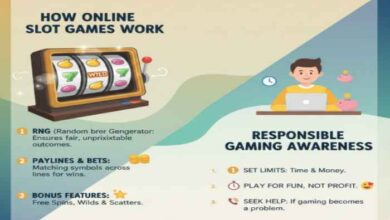
RNG software creates unpredictable, independent results on every spin.
- Each spin is separate from the previous one.
- No pattern determines wins or losses.
- Certified labs regularly test RNG fairness.
2. Return to Player (RTP)
RTP is the long-term percentage a slot returns to players.
Example: A 96% RTP means that, over thousands of spins, the game returns about 96% of all wagers.
RTP does not guarantee short-term winnings.
3. Game Provider Certification
Trusted game developers are audited by recognized testing bodies such as:
- eCOGRA
- GLI
- iTech Labs
These certifications ensure mathematical fairness.
Warning Signs of Rigged Slots or Unfair Online Slots
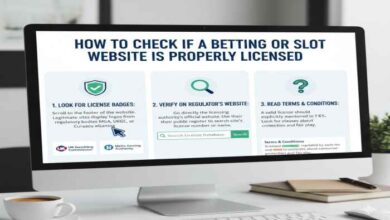
1. No Licensing or Missing Regulatory Details
Legitimate platforms display licensing numbers and regulatory information.
If a site hides this information, it is a major red flag.
2. Unrealistic Win Claims
Promises such as “guaranteed big wins” or “win every few spins” often suggest manipulation or deceptive practices.
3. No Information About RTP or RNG
If a platform refuses to show RTP values or provide details about its software provider, the games may be unsafe.
4. Slow or Suspicious Game Behavior
Examples include:
- Spins feel unusually long or inconsistent
- Symbols freeze or glitch
- Results feel mathematically improbable over time
These can indicate malfunctioning or tampered software.
5. Unverified or Unknown Game Providers
Slots from random developers with no online presence, testing reports, or reputation may not be trustworthy.
6. Unusual Account Activity
Examples:
- Balance changes without explanation
- Bets placed without user action
- Forced disconnections during wins
These indicate technical manipulation or data insecurity.
Read More: Another topic
Legal Considerations in Different Regions
Online gambling laws vary widely.
Here are general guidelines (not legal advice):
1. Europe
Most European countries require:
- Government-issued gambling licenses
- Independent game testing
- Responsible gambling tools
Examples include Malta Gaming Authority (MGA) and the UK Gambling Commission (UKGC).
2. North America
Some US states and Canadian provinces regulate online gambling locally.
Unlicensed offshore sites are often unsafe and may operate without oversight.
3. Asia & Other Regions
Rules differ significantly. Some countries allow regulated platforms; others restrict or prohibit online gambling.
Users should always verify local laws before interacting with any gaming content.
Risks of Using Unfair or Rigged Slots Games
- Financial loss due to manipulated odds
- No payment guarantees on winnings
- Higher exposure to scams and identity theft
- No responsible gambling protections
- Lack of dispute resolution or support
- Possible legal consequences if using prohibited sites
These risks highlight the importance of avoiding unlicensed or unregulated platforms.
How to Protect Yourself (Responsible Gambling Advice)
- Always verify licensing information before interacting with any site.
- Do not assume a slot machine will “pay soon”—outcomes are random.
- Avoid any platform that pressures you to deposit or promises guaranteed wins.
- Set strict personal limits whenever engaging with gaming entertainment.
- Remember that gambling is 18+ in nearly all regulated jurisdictions.
- If you feel you are developing unsafe habits, seek help from certified organizations such as local responsible gambling helplines.
Conclusion: Educational Summary
Detecting Rigged Slots or unfair online slot games is essential for digital safety. By understanding how legitimate systems work—RNGs, RTPs, and certifications—you can better identify suspicious or high-risk sites.
This guide encourages awareness, caution, and responsible behavior, not gambling. Always follow legal requirements in your region and prioritize personal safety when interacting with online gaming platforms.
Related FAQs
1. Can online slots be manipulated?
Yes, illegal or unlicensed platforms can manipulate software. Regulated games with verified RNGs are monitored to prevent tampering.
2. Is there a way to guarantee fair results?
No gambling outcome can be guaranteed, but choosing licensed, audited platforms greatly reduces risk.
3. Why do some slot games seem impossible to win?
Slots are designed with mathematical house edges and randomness. Short-term results can feel unfair even when legally operated.
4. What is the easiest way to check fairness?
Look for licensing, independent testing seals (like eCOGRA), and transparent RTP information.
5. Are rigged games illegal?
Yes, operating or offering unfair games is illegal in most jurisdictions and violates consumer protection laws.