Introduction:
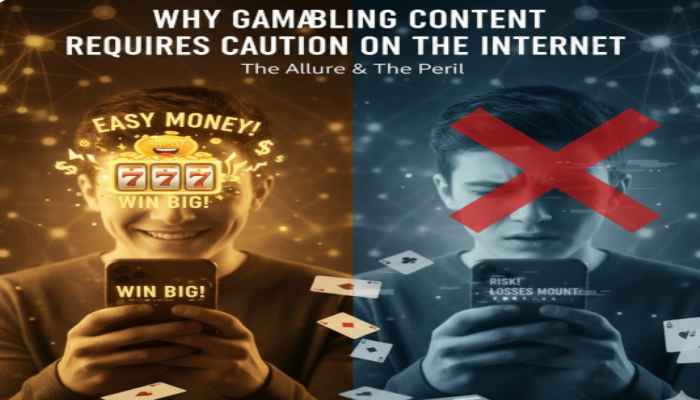
Gambling Content The purpose of this article is education and awareness, not promotion. Gambling-related content appears widely on the internet, including articles, videos, advertisements, and social media posts. Because gambling involves financial risk and can affect mental health, such content requires special caution.
Understanding why gambling content is sensitive, how it works, and what risks are involved helps readers make informed and responsible decisions. This article explains the topic from a neutral, informational point of view.
Table of Contents
What Is Gambling Content?
Gambling content includes any online material that discusses or explains activities where money or value is risked on uncertain outcomes. Examples include:
- Casino games (slots, cards, roulette)
- Sports betting explanations
- Lottery systems
- Online gaming with monetary rewards
This type of content is classified as high-risk informational content under Google’s Your Money or Your Life (YMYL) standards because it can directly affect finances and behavior.
Why Gambling Content Is Considered Sensitive
Financial Impact
Gambling involves real money. Misleading or promotional content can cause people to lose money they cannot afford to lose.
Psychological Risk
Some individuals are more vulnerable to addiction, stress, or compulsive behavior when exposed to gambling-related material.
Age Restrictions
Gambling is not suitable for minors. Online content must clearly warn that gambling is for 18+ only (or higher, depending on local laws).
Also Chack: Responsible Gaming Principles Everyone Should Know Educational Guide
How Gambling Systems Work (Educational Overview)
Randomness and Probability
Most gambling systems rely on random outcomes, often controlled by mathematical models or algorithms. Results are not predictable and cannot be controlled by the player.
House Advantage
Games are designed so the operator has a statistical advantage over time. This means long-term losses are more likely than long-term wins.
No Guaranteed Outcomes
There are no guaranteed strategies or systems that can ensure winning. Claims suggesting otherwise are misleading.
Risks and Disadvantages of Gambling Content
Misinformation Risk
Unverified claims such as “guaranteed wins” or “winning systems” can mislead readers.
Addiction Awareness
Repeated exposure to gambling content may normalize risky behavior and contribute to problem gambling.
Financial Loss
Gambling always carries the risk of losing money, sometimes quickly and unexpectedly.
Emotional Stress
Losses can lead to anxiety, frustration, or unhealthy coping behaviors.
Legal Considerations in Different Regions
Varying Laws Worldwide
Gambling laws differ significantly by country and region:
- Some countries allow regulated online gambling
- Others restrict or ban it completely
- Age limits vary (usually 18+ or 21+)
Content Responsibility
Even where gambling is legal, advertising and promotion are often regulated. Content creators must follow local laws and platform policies.
Readers should always check local regulations before engaging with gambling-related services.
Responsible Gambling Guidance (18+)
Responsible gambling means understanding risks and maintaining control. Key principles include:
- Gambling is not a way to earn income
- Only use money you can afford to lose
- Set time and spending limits
- Never chase losses
- Seek help if gambling becomes stressful or uncontrollable
If gambling causes financial or emotional harm, professional support services should be contacted.
Why Search Engines Require Caution With Gambling Content
Google and other search engines apply strict standards to gambling-related pages to protect users. Content must:
- Be factual and transparent
- Avoid encouraging behavior
- Include risk warnings
- Avoid exaggerated claims
- Focus on education, not persuasion
This ensures safer online experiences for users.
Conclusion: Educational Awareness Matters
Gambling content requires caution because it involves financial risk, legal complexity, and personal well-being. Educational, neutral information helps readers understand how gambling works without encouraging participation.
By focusing on facts, risks, legality, and responsibility, online content can inform users safely and ethically while meeting modern search engine standards.
Related FAQs
1. Why is gambling content restricted on the internet?
Because it involves money, addiction risks, and legal limitations, making it sensitive under consumer protection rules.
2. Is all gambling content harmful?
Not all content is harmful, but promotional or misleading content can be risky. Educational content is generally acceptable.
3. Can gambling systems guarantee winning?
No. All gambling systems rely on chance and probability. Guaranteed wins do not exist.
4. Is online gambling legal everywhere?
No. Laws vary by country and region. Some allow it, others restrict or ban it.
5. Who should avoid gambling content?
Minors, individuals with addiction history, or those under financial stress should avoid gambling-related material.